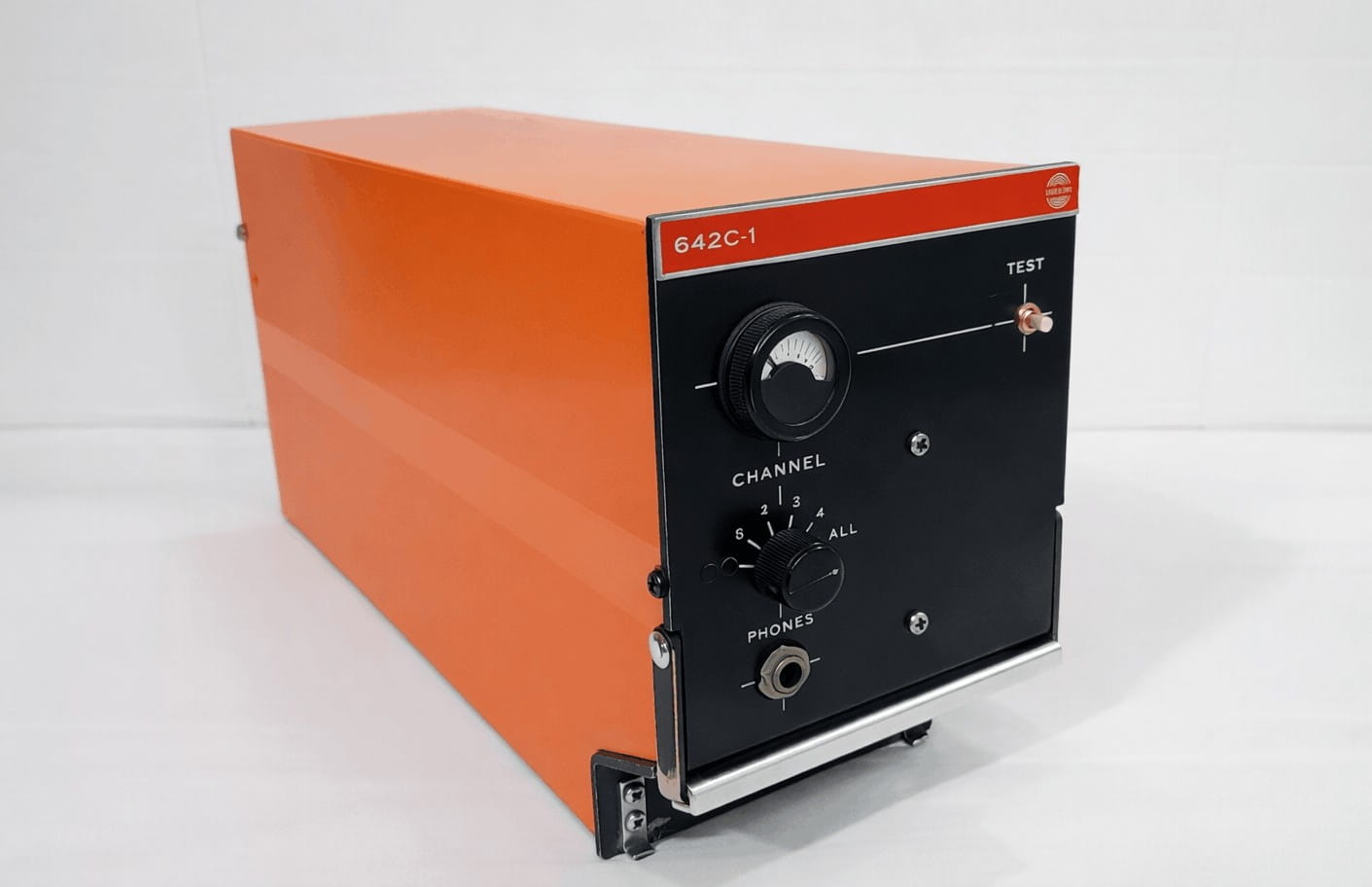
In present-day aviation, safety is built on layers of technology, procedures, and continuous learning from past events. Among the most critical tools in this process is the Cockpit Voice Recorder (CVR), a device designed to capture cockpit sounds, conversations, and alerts. Often referred to as part of the “black box” (alongside the Flight Data Recorder), the CVR has played a pivotal role in understanding accidents plus improving aviation safety worldwide.
This is the story of how it came to be and how it changed flying forever.
The Origins: A Need Born from Tragedy
The concept of recording cockpit audio emerged in the early 1950s, when a series of unexplained aircraft accidents left investigators searching for answers. Standard methods examining wreckage and interviewing witnesses were often insufficient, especially when crashes occurred in isolated or oceanic regions.
The breakthrough emerged from Australia.
In 1953, following mysterious crashes of the de Havilland Comet jetliner, Australian scientist Dr. David Warren proposed a revolutionary idea: a device that could continuously record cockpit conversations and instrument readings. His concept was initially received skepticism some officials even viewed it as an invasion of pilot privacy but Warren persisted.
In 1953, following mysterious crashes of the de Havilland Comet jetliner, Australian scientist Dr. David Warren proposed a revolutionary idea: a device that could continuously record cockpit conversations and instrument readings. His concept was initially met with skepticism some officials even viewed it as an invasion of pilot privacy but Warren persisted.
By 1956, he had developed a prototype called the “ARL Flight Memory Unit.” It recorded both voice and data using magnetic wire. Though crude by today’s standards, it laid the foundation for modern flight recorders.
Early Adoption and Global Acceptance
Australia became the first country to mandate cockpit voice recorders in 1960. Other nations were slower to follow, but the value of the technology quickly became undeniable.
In the United States, a series of high-profile accidents in the 1960s prompted regulatory action. By 1967, the Federal Aviation Administration (FAA) required CVRs on certain commercial aircraft. The United Kingdom and other aviation authorities soon followed.
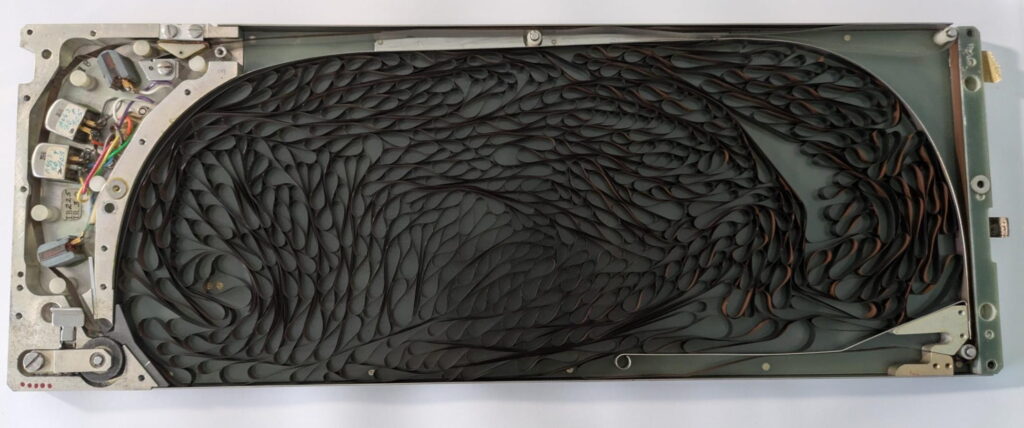
Early CVRs used magnetic tape loops, typically recording the last 30 minutes of cockpit audio. These recordings were continuously overwritten, ensuring that only the most recent portion of a flight was preserved.
Why “Black Box” Isn’t Black
Despite the nickname, CVRs are not black at all they are painted bright orange or red to aid recovery after crashes. The term “black box” likely originated from early engineering slang for complex, sealed electronic devices. Or the fact that every other Avionics box on an aeroplane was “Black”
To survive extreme conditions, CVRs are built to withstand:
- Intense heat (over 1,000°C)
- Massive impact forces
- Deep-sea pressure
They are also equipped with Ultrasonic underwater locator beacons, which emit signals for up to 30 days if submerged.
Technological Evolution
Magnetic Tape Era (1960s–1980s)
Early CVRs relied on analog tape, which had limitations:
- Short recording duration (typically 30 minutes)
- Susceptible to damage, the magnetic tape module was often surrounded by a heat-resistant enclosure and a solid steel shell.
- Degradation over time, tape would lose its magnetic coating and any lubrication on the backing side.
- Reliability, splice breaks and tape jams were common, resulting in low MTBUR.
Solid-State Revolution (1990s–Present)
The transition to solid-state digital memory marked a major leap forward:
- Recording time increased to 2 hours or more
- Greater durability and reliability
- Improved audio clarity
Modern CVRs capture:
- Pilot and co-pilot conversations
- Radio transmissions
- Warning alarms and system alerts
- Ambient cockpit sounds (switches, engine noise, etc.)
Privacy vs Safety: An Ongoing Debate
From the beginning, CVRs raised concerns about pilot privacy. After all, they record not just operational communication but also personal conversations.
To address this:
- Access to CVR recordings is strictly controlled
- Transcripts not raw audio are usually released publicly
- Recordings are used solely for accident investigation and safety improvement
- A bulk erase function can be activated from the cockpit after the weight on wheels (WoW) switch is enabled.
Balancing transparency and privacy remains an ongoing challenge in aviation.
Lessons Learned: CVRs in Action
Cockpit voice recorders have been instrumental in solving countless aviation mysteries. They provide context that data alone cannot tone of voice, confusion, stress, and decision-making under pressure.
Through CVR analysis, investigators have been able to:
- Identify human factors like miscommunication or fatigue
- Understand crew coordination failures
- Improve training and cockpit procedures
Many safety improvements such as Crew Resource Management (CRM) owe their development in part to insights gained from CVR recordings.
The Future of Cockpit Recording
As aviation technology advances, so too does the role of the CVR.
Emerging developments include:
- Extended recording durations (up to 25 hours in some systems)
- Real-time data streaming to ground stations
- Integration with advanced analytics and AI
There is also growing discussion about cockpit video recording, though it remains controversial due to privacy concerns.
A Quiet Guardian of Aviation Safety
Cockpit voice recorders rarely make headlines unless something goes wrong. Yet their contribution to aviation safety is immense. Every recording, every analysis, and every lesson learned helps make flying safer for millions of passengers each year.
From a simple idea in 1950s Australia to a global safety standard, the CVR stands as a powerful reminder: sometimes, the most important voice in aviation is the one that helps us learn from the past.