From Pandemic Victim to Unexpected Comeback
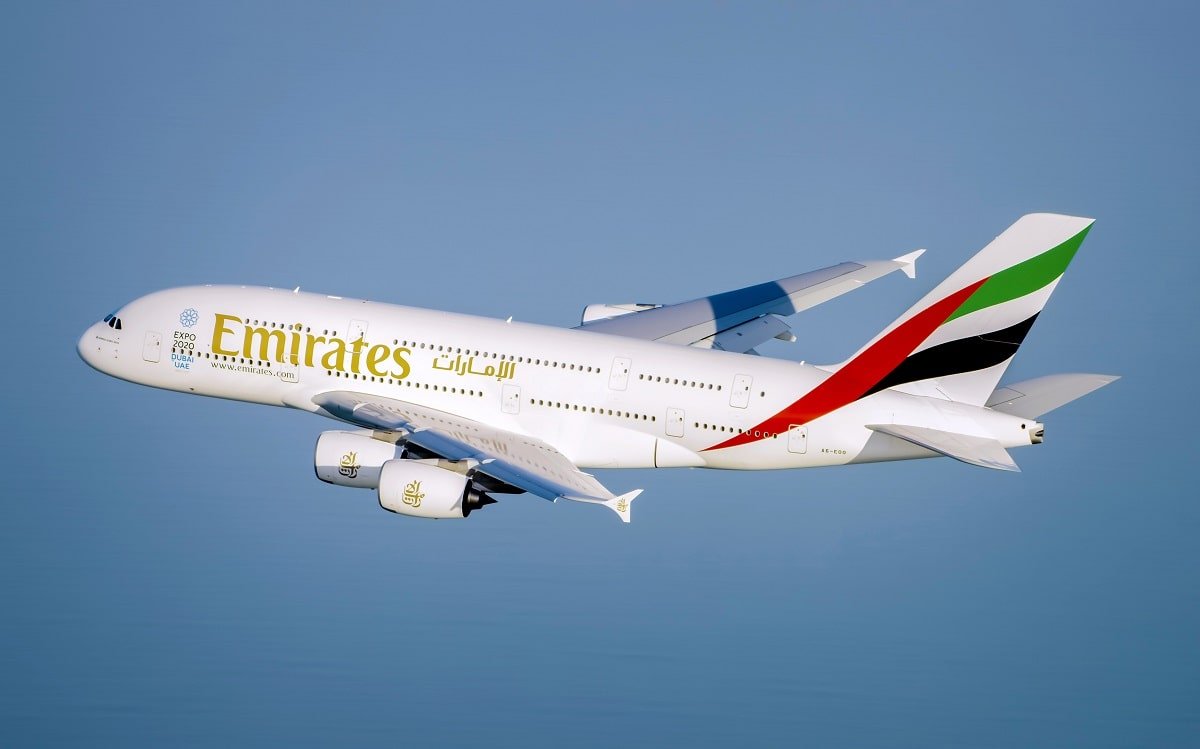
During the early months of the COVID-19 pandemic, many aviation analysts predicted that the Airbus A380 the world’s largest passenger aircraft was facing an early and permanent retirement.
With international travel collapsing almost overnight in 2020, airlines rushed to ground their largest and most expensive aircraft. The skies that once showcased the double-deck superjumbo suddenly fell silent. Alongside the Boeing 747, large portions of the Boeing 777 fleet, and other widebody aircraft, the A380 appeared to be one of the pandemic’s biggest casualties.
Yet just a few years later, the story of the A380 has taken an unexpected turn.
As global travel demand surged back faster than anticipated, many airlines discovered that the very aircraft they had parked in desert storage were suddenly exactly what they needed.
The Pandemic Shock to Global Aviation
In early 2020 the aviation industry experienced the largest collapse in passenger demand in history.
International travel restrictions, lockdowns, and border closures caused passenger numbers to fall by more than 60 percent worldwide. Airlines scrambled to survive, grounding thousands of aircraft and retiring older fleets.
Large four-engine aircraft were particularly vulnerable.
The Airbus A380, designed to carry more than 500 passengers in typical airline configuration and up to 853 in high-density layouts, was built for a world of busy international hubs and packed long-haul flights. But when travel demand evaporated, filling such a massive aircraft became nearly impossible.
As a result, many airlines rapidly grounded their A380 fleets.
Why the A380 Was Grounded First
Even before COVID-19, the A380 program was facing challenges.
The aircraft first flew on 27 April 2005 after nearly a decade of development and roughly €25 billion in investment by Airbus. It entered commercial service with Singapore Airlines in 2007 and quickly became popular with passengers for its quiet cabin, spacious seating, and smooth ride.
However, airlines struggled with its economics.
The A380 was designed for a hub-and-spoke model of aviation, where huge numbers of passengers connect through major airports like Dubai, London, Singapore, or Sydney.
But by the late 2010s, the industry was shifting toward smaller long-range twin-engine aircraft such as:
- Boeing 787 Dreamliner
- Airbus A350
- Boeing 777-300ER
These aircraft offered lower fuel burn, smaller seating capacity, and greater flexibility to serve more direct city-to-city routes.
In February 2019 Airbus announced that A380 production would end in 2021, after Emirates the aircraft’s largest customer reduced its final order.
Then COVID arrived.
Airlines Rush to Ground the Superjumbo
When global travel demand collapsed in 2020, airlines rapidly removed their A380 fleets from service.
Some carriers retired them permanently.
Among the airlines that initially grounded their A380 fleets were:
- Qantas
- Air France
- Lufthansa
- Singapore Airlines
- Korean Air
- Etihad Airways
- British Airways
Air France even scrapped several relatively young A380 aircraft for spare parts, highlighting how bleak the outlook appeared at the time.
Many analysts believed the pandemic had accelerated the final chapter of the A380 era.
Why the A380 Is Hard to Replace
Despite its operating costs, the A380 has several unique advantages.
The aircraft can carry more passengers than any commercial airliner in history, making it ideal for high-density long-haul routes between major global hubs.
It also offers passengers:
- wider cabins
- quieter interior noise levels
- larger premium cabins
- onboard lounges and bars on some airlines
For airports with limited runway capacity or slot restrictions such as London Heathrow the ability to move large numbers of passengers in a single flight remains extremely valuable.
The Unexpected Return of the A380
As travel restrictions eased in 2022 and 2023, international travel rebounded far faster than airlines had anticipated.
Suddenly the industry faced the opposite problem:
too much demand and not enough aircraft.
New aircraft deliveries were delayed due to supply chain issues affecting both Airbus and Boeing. Airlines that had retired aircraft during the pandemic were now scrambling to rebuild capacity.
This created the perfect conditions for the A380 comeback.
Airlines began pulling their superjumbos out of storage.
Airlines Bringing the A380 Back
Several major airlines have now returned their A380 fleets to service.
Emirates
The world’s largest A380 operator, Emirates continues to rely heavily on the aircraft, operating over 80 superjumbos across its global network.
British Airways
British Airways reactivated its A380 fleet for busy long-haul routes including:
- London to Los Angeles
- London to Miami
- London to Singapore
Singapore Airlines
Singapore Airlines brought its A380s back into service after cabin upgrades that include luxury Suites Class and redesigned premium cabins.
Qantas
Qantas returned several A380 aircraft to international routes after a multi-year storage period in the California desert.
Lufthansa
Lufthansa initially retired the A380 but later reversed that decision and reintroduced several aircraft into service due to strong travel demand.
Why Airlines Still Need the A380
The return of the A380 highlights an important reality about modern aviation.
While smaller aircraft offer flexibility, there are still many routes where large aircraft are economically necessary.
Busy routes such as:
- London – Los Angeles
- Dubai – Sydney
- Singapore – London
regularly see passenger demand exceeding the capacity of smaller widebody aircraft.
In these cases, the A380 can transport hundreds more passengers per flight, making it surprisingly competitive.
Additionally, slot restrictions at major airports limit how many flights can operate. Using a larger aircraft can increase capacity without increasing the number of flights.
The Cargo Problem
One challenge for the A380 is its limited cargo potential.
Many passenger aircraft enjoy a second life as cargo freighters once they retire from passenger service. Aircraft such as the Boeing 747 and Boeing 777 have thriving cargo markets.
The A380 was never designed as a freighter.
Airbus once proposed an A380F cargo version, but the program was cancelled before production began.
Because of the aircraft’s double-deck fuselage and structural design, converting it into a dedicated cargo aircraft is complex and expensive.
As a result, when passenger A380s retire, their most likely fate is part-out for spare components rather than freighter conversion.
The Long-Term Future of the A380
Although the A380 has returned to service on several major airlines, its long-term future remains uncertain.
Production ended in 2021, and no new aircraft will be built.
The existing global fleet numbers around 250 aircraft, meaning the A380 will gradually decline over the coming decades as airlines retire older airframes.
However, the aircraft’s strong passenger appeal and high capacity mean it may remain in service longer than many expected during the depths of the pandemic.
For airlines like Emirates, the A380 will remain a flagship aircraft well into the 2030s.
The Legacy of the Airbus A380
The Airbus A380 represents one of the most ambitious projects in aviation history.
It pushed the boundaries of aircraft design, airport infrastructure, and passenger comfort. While the aviation market ultimately shifted away from very large aircraft, the A380 remains a technological marvel.
And despite predictions of its demise during the COVID-19 crisis, the world’s largest passenger aircraft has proven more resilient than many expected.
The superjumbo may not dominate the skies forever but for now, the A380 is far from finished.