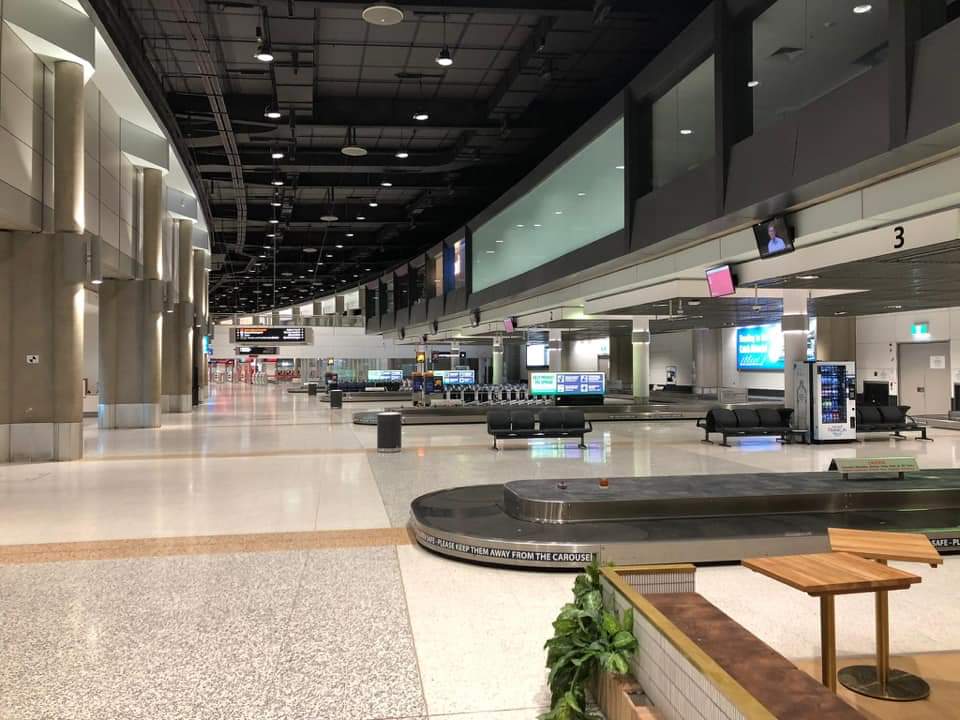
The Impact of Two Global Crises on the Aviation Industry
The attacks of 9/11 and COVID-19 pandemic represent the two most significant shocks to modern commercial aviation. While fundamentally different in cause one geopolitical, the other epidemiological both events triggered systemic disruption, regulatory reform, and long-term structural change within the airline industry.
Understanding how aviation responded to 9/11 provides valuable insight into how the industry is adapting in the post-COVID era.
The Impact of 9/11 on the Aviation Industry
The immediate aftermath of 9/11 saw a sharp contraction in global passenger demand. According to IATA, international traffic declined approximately 10–12% in 2001, with North American carriers experiencing even greater losses. Industry-wide losses exceeded US$10 billion in the following year.
Prior to 9/11, reinforced cockpit doors and advanced passenger screening were limited largely to Israel’s El Al. By early 2002, strengthened cockpit doors became mandatory worldwide. In the United States, the creation of the Transportation Security Administration (TSA) institutionalised enhanced airport security procedures.
Although costly and operationally disruptive, these reforms restored passenger confidence. By 2004, global air traffic had largely returned to pre-9/11 levels.
The crisis also accelerated airline consolidation. Over the following decade, mergers such as Delta, Northwest, United, Continental, and American/US Airways reshaped the U.S. market. Simultaneously, low-cost carriers (LCCs) expanded aggressively, placing large aircraft orders and challenging legacy airline dominance.
The COVID-19 Impact on Airlines: A Global Demand Collapse
If 9/11 was a security shock, COVID-19 was a systemic demand collapse.
In 2020, global passenger traffic fell by approximately 65% compared with 2019 the largest annual decline in aviation history. International traffic reductions exceeded 75% in many regions. Airlines reported combined losses of more than US$125 billion in 2020 alone.
At the height of the crisis in April 2020, more than 60% of the global commercial fleet was grounded. Unlike 9/11, which was regionally concentrated, COVID-19 simultaneously disrupted all major aviation markets.
Airline Industry Recovery: Domestic vs International Travel
Recovery patterns following COVID-19 differ markedly from post-9/11 trends.
Domestic travel has consistently rebounded faster than international routes. Large, globally connected hub operations remain more vulnerable to travel restrictions and shifting border policies.
This uneven recovery has significant implications for airline network design and fleet strategy.
Fleet Restructuring: The Retirement of the A380 and Boeing 747
One of the most visible structural consequences of COVID-19 has been accelerated widebody retirement.
Aircraft such as the Airbus A380 and Boeing 747 dependent on high-density international travel were withdrawn at unprecedented rates. Airbus officially ended A380 production in 2021, and numerous carriers permanently retired their 747 passenger fleets.
In contrast, fuel-efficient long-range twinjets such as the Boeing 787 and Airbus A350 are better aligned with post-pandemic demand. These aircraft support point-to-point connectivity without reliance on mega-hub passenger volumes.
The shift suggests a structural move away from ultra-large aircraft toward flexible, medium-capacity long-haul operations.
Air Cargo Growth After COVID-19
While passenger demand collapsed, air freight demonstrated resilience.
In 2021, global air cargo volumes exceeded 2019 levels by approximately 7–8%, driven by e-commerce expansion and disrupted maritime supply chains. With passenger belly capacity reduced, dedicated cargo operators such as DHL, FedEx, UPS, and Atlas Air increased utilisation rates.
Many passenger aircraft were temporarily converted for freight-only operations, highlighting the importance of diversified revenue models in airline resilience.
Structural Lessons from 9/11 and COVID-19
Both crises reveal common structural patterns:
- Existing vulnerabilities were exposed.
- Regulatory reform followed rapidly.
- Passenger behaviour adapted.
- The industry emerged structurally altered.
After 9/11, security reform became permanent. After COVID-19, health screening, sanitisation protocols, and risk mitigation procedures became institutionalised.
In both cases, the underlying technology existed beforehand. Crisis accelerated adoption.
The Future of the Aviation Industry After COVID-19
Long-term recovery remains regionally uneven. Domestic markets stabilise first, followed by international reopening on a controlled, bilateral basis.
Traditional hub-and-spoke dominance may face structural pressure, particularly if business travel remains below pre-pandemic levels. Smaller aircraft and “hub-busting” routes are better aligned with fragmented demand patterns.
However, history demonstrates aviation’s resilience. Demand for air travel remains structurally linked to trade, tourism, and global mobility.
If 9/11 reshaped aviation security architecture, COVID-19 is reshaping fleet economics, network strategy, and financial discipline. In both instances, crisis has functioned as a catalyst for structural evolution.