Most airlines focus on one thing: flying passengers from point A to point B. Aircraft maintenance, fuel supply, cabin equipment, training, and even technology systems are often outsourced to specialized companies. Delta Air Lines has taken a radically different approach.
Over the past two decades, Delta has quietly built one of the most vertically integrated airline operations in the world, controlling key parts of its supply chain from aircraft maintenance to jet fuel refining.
This strategy has helped Delta control costs, improve reliability, and generate additional revenue streams far beyond ticket sales.
What Vertical Integration Means for Airlines
Vertical integration occurs when a company owns and controls multiple stages of its supply chain instead of relying entirely on outside suppliers.
In the airline industry, this could include control over:
- aircraft maintenance
- engine overhaul
- pilot training
- fuel supply
- cabin interiors
- technology systems
- airport infrastructure
Most airlines outsource many of these functions.
Delta, however, has deliberately brought many of them in-house.
Delta TechOps: The Backbone of Delta’s Integration Strategy
The foundation of Delta’s vertically integrated model is Delta TechOps, one of the largest airline maintenance organizations in the world.
Based primarily in Atlanta, Delta TechOps performs:
- heavy airframe maintenance
- engine overhaul and repair
- avionics upgrades
- aircraft modifications
- component repairs
Delta TechOps does not only maintain Delta aircraft. It also provides maintenance services for airlines around the world, turning what is normally a cost center into a major revenue generator.
Because Delta controls its own maintenance capability, it can:
- extend aircraft lifespans
- control maintenance schedules
- perform upgrades more quickly
- avoid expensive third-party maintenance contracts
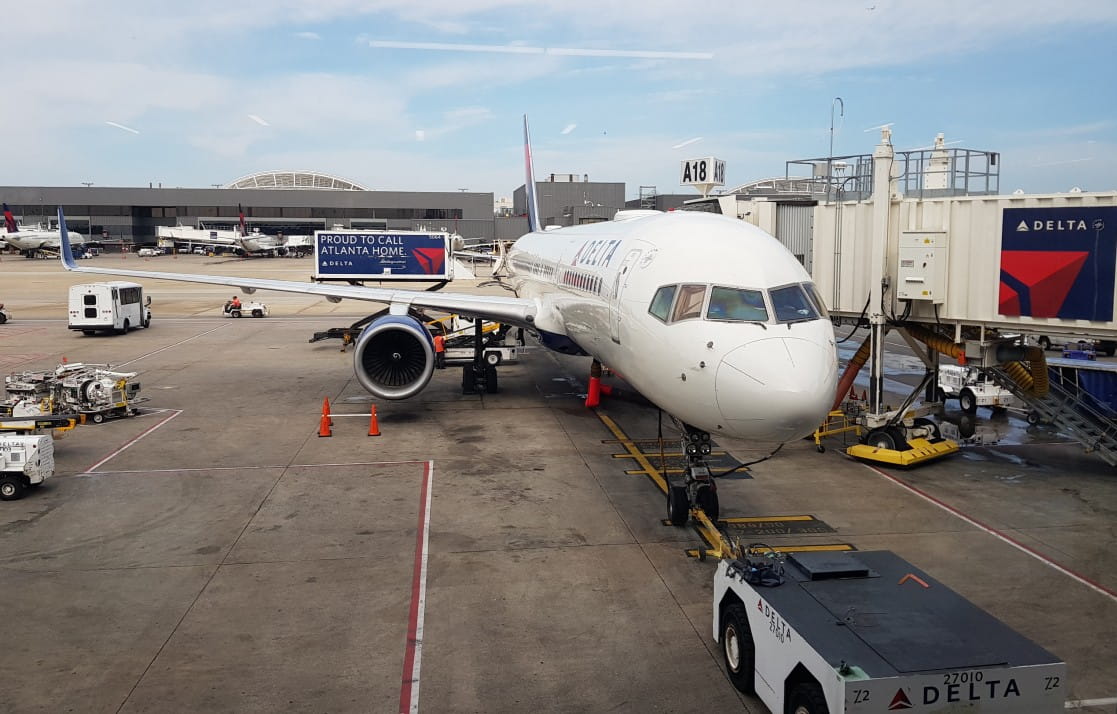
This capability is one reason Delta has been able to operate aircraft like the Boeing 757 and 767 decades longer than many competitors.
The Airline That Bought an Oil Refinery
One of the most unusual examples of Delta’s vertical integration is its purchase of the Trainer oil refinery in Pennsylvania in 2012.
Fuel represents one of the largest costs for airlines, often accounting for 20–30 percent of total operating expenses.
Delta purchased the refinery from Phillips 66 in an attempt to stabilize jet fuel supply and reduce exposure to volatile fuel markets.
The refinery produces jet fuel used across Delta’s network while gasoline and diesel products are traded to offset operating costs.
Although initially controversial, the move helped Delta gain greater control over one of the airline industry’s most unpredictable expenses.
Delta Flight Products: Designing the Aircraft Cabin
Delta has also moved into the aircraft manufacturing supply chain through Delta Flight Products, a division that designs and produces aircraft cabin equipment.
This group develops:
- aircraft seats
- cabin lighting systems
- galley equipment
- passenger service components
Rather than relying entirely on external suppliers, Delta can design products specifically tailored to its aircraft and passenger experience.
These products are now also sold to other airlines, turning Delta’s internal expertise into another business opportunity.
Training Pilots and Technicians In-House
Delta also controls much of its own training infrastructure.
The airline operates extensive training facilities including:
- full-motion flight simulators
- maintenance training centers
- engineering education programs
This allows Delta to train pilots, engineers, and technicians according to its own operational standards.
Internal training also allows the airline to expand capacity quickly when new aircraft or routes are introduced.
Building Its Own Technology Systems
Technology has become increasingly critical to airline operations.
Rather than relying entirely on external software vendors, Delta has invested heavily in internal technology development.
The airline builds and manages systems for:
- flight operations control
- crew scheduling
- predictive aircraft maintenance
- passenger services
- operational analytics
This allows Delta to customize its systems specifically for its network and operational requirements.
Investing Directly in Airport Infrastructure
Delta has also invested heavily in airport infrastructure at several of its key hubs.
Major projects include large investments at:
- Atlanta – Delta’s largest hub
- New York LaGuardia – complete terminal redevelopment
- Los Angeles – new terminals and connections
- Seattle – expanded international gateway
By investing directly in airport facilities, Delta gains greater control over passenger flow, operational efficiency, and the overall travel experience.
Why Vertical Integration Works for Delta
Delta’s vertically integrated structure provides several strategic advantages.
Cost control
Owning major parts of the supply chain reduces reliance on external suppliers.
Operational flexibility
Internal engineering and maintenance allow Delta to modify aircraft and operations quickly.
Additional revenue streams
Delta TechOps and Delta Flight Products generate revenue by selling services to other airlines.
Greater resilience
The airline is less vulnerable to disruptions affecting suppliers.
A Unique Airline Business Model
Many airlines have moved toward asset-light models, outsourcing maintenance, technology, and services.
Delta has taken the opposite approach.
By building internal capabilities across its supply chain, Delta has created a business structure closer to a fully integrated aviation enterprise than a traditional airline.
This approach requires significant investment, but it also gives Delta a level of operational control that few competitors can match.
Why Delta’s Model Is Closely Watched by the Industry
The airline industry is known for thin margins and extreme volatility.
Delta’s vertically integrated model helps buffer the company against many of these pressures.
From maintaining aircraft to refining fuel, Delta controls many of the critical systems that keep its network operating.
In a highly competitive global airline industry, that control has become one of Delta’s most powerful strategic advantages.