A Strategic Reset Toward a Domestic Boeing 737 Operation
Virgin Australia’s post-administration restructure marked more than a financial rescue it signalled a decisive shift in business model and fleet strategy. Emerging from voluntary administration in 2020, the airline repositioned itself as a streamlined, domestically focused Boeing 737 operator with reduced structural risk.
The move reflected a recognition of Australia’s aviation realities: scale is limited, capital intensity must be controlled, and hybrid models are vulnerable during demand shocks.
Virgin Australia Cost Reduction Plan: Resizing for a Post-COVID Market
Central to the Virgin Australia restructure was a substantial reduction in operating costs.
COVID-19 exposed the fragility of mid-scale carriers operating complex fleets across domestic, regional, and long-haul markets. Virgin committed to preserving approximately 6,000 jobs during recovery, although around 3,000 roles were impacted in the short term.
This was not merely workforce reduction it was structural resizing aligned with anticipated domestic demand and a reduced international footprint.
The objective was straightforward: recalibrate fixed costs to match sustainable revenue levels.
Virgin Australia Fleet Simplification: The All-Boeing 737 Strategy
The most visible structural reform was Virgin Australia’s fleet simplification to an all-Boeing 737 mainline operation.
Prior to administration, Virgin operated a diverse fleet including:
- Boeing 737 narrowbodies
- Airbus A330 widebodies
- Boeing 777 long-haul aircraft
- ATR turboprops
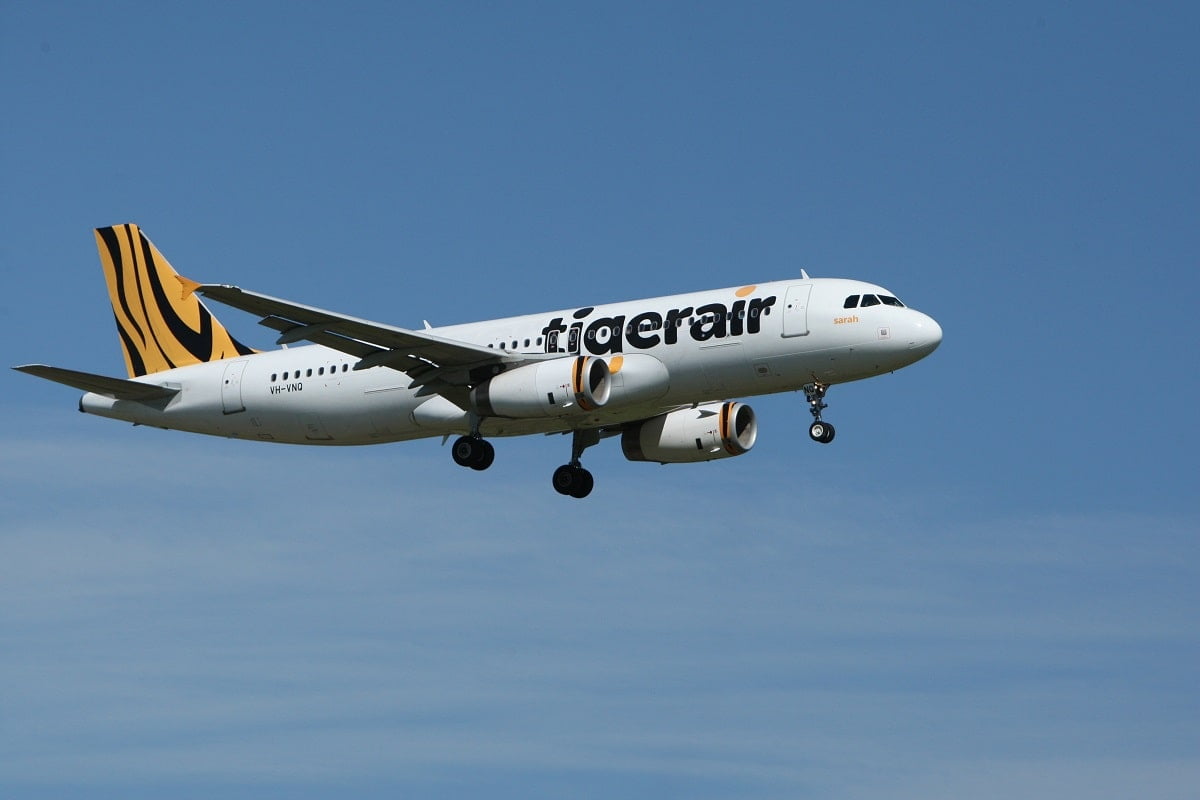
- Airbus A320 aircraft under Tigerair
This multi-type structure increased training, maintenance, and scheduling complexity.
Under the new strategy, Virgin Australia focused on Boeing 737-NG aircraft for its domestic trunk routes.
Fleet simplification delivers measurable benefits:
- Lower pilot training costs
- Reduced engineering overhead
- Standardised spare parts inventory
- Improved asset utilisation
- Greater scheduling flexibility
In Australia’s high-frequency east coast corridor Sydney, Melbourne, Brisbane the 737 remains economically suited to route density and stage length.
Virgin Australia Long-Haul Suspension: Strategic Pause, Not Abandonment
Virgin’s withdrawal of Boeing 777 and Airbus A330 aircraft effectively suspended long-haul international operations.
While long-haul flying remains part of the airline’s future ambitions, management acknowledged that international widebody operations are capital-intensive and structurally vulnerable without strong alliance leverage and premium corporate feed.
Unlike Qantas, which operates an integrated domestic-international network supported by global partnerships, Virgin lacked equivalent scale depth.
Suspending long-haul services was therefore a strategic pause tied to demand recovery and balance sheet strength not a permanent retreat.
Tigerair Australia Closure: Brand Retirement with Structural Optionality
Tigerair Australia ceased operations on 25 March 2020, shortly after Virgin entered voluntary administration.
First launching domestic services in November 2007, Tigerair was progressively acquired by Virgin between 2013 and 2014. It represented an attempt to capture the ultra-low-cost segment of the Australian market.
However, operating both a hybrid mainline carrier and an ultra-low-cost subsidiary created internal complexity and brand overlap.
The Tigerair Australia brand was formally retired. However, Virgin retained the Air Operator Certificate (AOC) and supporting infrastructure. This preserves the option to re-enter the ultra-low-cost market should domestic conditions warrant such a move.
This reflects strategic flexibility rather than total withdrawal.
Regional and Charter Operations: Retaining Strategic Diversification
Despite simplification, Virgin Australia maintained its commitment to regional and charter services.
Regional aviation in Australia supports:
- Resource sector operations
- Remote community connectivity
- Essential transport infrastructure
Charter flying, particularly in mining and energy sectors, provides revenue streams less exposed to leisure volatility.
Retaining this segment strengthens network resilience while avoiding widebody capital exposure.
Virgin Australia Post Administration Strategy: A Clearer Competitive Identity
The restructured Virgin Australia positions itself as:
- A disciplined domestic challenger
- A simplified narrowbody fleet operator
- A lower-risk, cost-controlled airline
- A focused competitor to Qantas on core trunk routes
Gone is the pre-2020 ambition to mirror Qantas across all market segments. In its place is a concentrated domestic strategy aligned with achievable scale.
In aviation economics, simplicity reduces vulnerability.
Competitive Implications for the Australian Airline Market
Virgin Australia’s restructure reshapes competition within the Australian aviation market.
By concentrating on Boeing 737 domestic operations, Virgin avoids the capital burden of widebody exposure while maintaining relevance on high-yield corporate routes.
The long-term competitive question remains whether Australia can sustainably support two full-scale domestic competitors, particularly during cyclical downturns.
The 2020 restructure suggests that future viability depends on disciplined fleet strategy, cost containment, and strategic restraint.
Conclusion: Structural Discipline Over Hybrid Ambition
Virgin Australia’s 2020 restructure represents a return to fundamentals:
- Simplified fleet
- Lower fixed cost base
- Domestic network focus
- Retained strategic optionality
The airline that emerged from administration is smaller and narrower in scope but structurally more coherent.
In the Australian market, where scale advantages are amplified and shocks can be severe, disciplined simplification may prove more sustainable than expansive ambition.
On On 5 August 2020, Bain Capital newly appointed owner of the Virgin Australia Group announced that, as a direct consequence of the COVID-19 pandemic, the Tigerair Australia brand would be discontinued. The decision formed part of a broader strategic restructure of Virgin Australia, signalling a decisive shift toward a streamlined, domestically focused Boeing 737-NG operation.