How a Short-Haul Jet Became the Most Successful Airliner in Aviation History
Few aircraft have shaped commercial aviation as profoundly as the Boeing 737. Since entering service in the late 1960s, the narrow-body jet has become the backbone of global airline fleets, carrying billions of passengers across every continent. More than half a century after its first flight, the 737 remains one of the most recognizable and widely operated aircraft ever built.
From its humble origins as a short-haul airliner to its modern incarnation as the fuel-efficient 737 MAX, the aircraft’s evolution reflects the changing demands of the airline industry itself.
Origins of the Boeing 737
During the early 1960s Boeing had already achieved success with the Boeing 707 and Boeing 727, but airline demand was shifting toward smaller, more economical aircraft suited to short-haul routes.
European manufacturers were beginning to fill this market with aircraft such as the BAC One-Eleven and the Sud Aviation Caravelle. Boeing recognized the need for a competing aircraft capable of serving short routes while maintaining jet speed and reliability.
In 1964 Boeing launched the 737 program, designing a twin-engine narrow-body aircraft optimized for quick turnaround times and efficient short-haul operations.
One of the aircraft’s most distinctive design choices was the placement of the engines directly beneath the wings rather than at the rear of the fuselage. This configuration improved maintenance accessibility and simplified structural design.
Another unusual feature was the aircraft’s low ground clearance, which allowed baggage and cargo to be loaded without specialized ground equipment an important advantage at smaller airports.
The First Generation: Boeing 737-100 and 737-200
The prototype Boeing 737 first flew on 9 April 1967, marking the beginning of what would become one of the longest production runs in aviation history.
The initial variants were:
- 737-100
- 737-200
The smaller 737-100 entered service with Lufthansa in 1968, but airlines quickly showed greater interest in the slightly larger 737-200, which offered improved passenger capacity and range.
Key characteristics of the early 737 included:
- capacity of roughly 100–120 passengers
- two Pratt & Whitney JT8D engines
- cruise speeds comparable to larger jetliners
- strong short-runway performance
The aircraft proved extremely reliable and quickly became popular with airlines operating high-frequency regional routes.
The 737-200: Workhorse of the 1970s
During the 1970s the 737-200 became one of the most widely used short-haul jets in the world.
Airlines appreciated the aircraft’s ability to operate from smaller airports and shorter runways, making it ideal for regional networks and developing markets.
The rugged design also allowed the aircraft to operate in challenging environments such as:
- gravel runways in northern Canada and Alaska
- high-altitude airports in South America
- remote airfields in Africa
Specialized gravel-kit modifications were even developed to protect the engines and fuselage from debris.
By the late 1970s the 737 had firmly established itself as a reliable and versatile short-haul airliner.
The Classic Series: 737-300, 737-400, and 737-500
By the late 1970s advances in engine technology and increasing airline competition prompted Boeing to modernize the aircraft.
The result was the 737 Classic series, introduced in the 1980s.
These variants included:
- 737-300
- 737-400
- 737-500
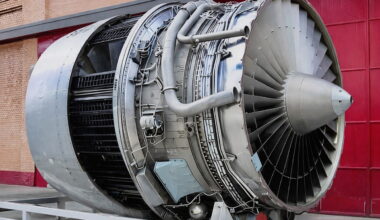
The most important improvement was the introduction of CFM56 high-bypass turbofan engines, which dramatically reduced fuel consumption and noise levels.
Because the 737’s landing gear was relatively short, Boeing had to redesign the engine nacelles with a distinctive flattened bottom shape, giving the aircraft its recognizable engine profile.
Other improvements included:
- increased passenger capacity
- updated avionics
- improved aerodynamics
The Classic series allowed the 737 to remain competitive as airline traffic continued to grow worldwide.
The Next Generation: 737-600, 737-700, 737-800, and 737-900
In the 1990s Boeing undertook a much larger redesign of the aircraft to compete with the rapidly expanding Airbus A320 family.
The result was the 737 Next Generation (NG) series.
Major improvements included:
- larger wings
- more powerful engines
- increased fuel capacity
- digital glass cockpits
The new models were:
- 737-600
- 737-700
- 737-800
- 737-900
Among these, the 737-800 became the most popular variant, widely used by airlines around the world for medium-range routes.
The 737 NG family significantly expanded the aircraft’s range, allowing it to operate routes previously served by larger aircraft.
The Boeing 737 MAX
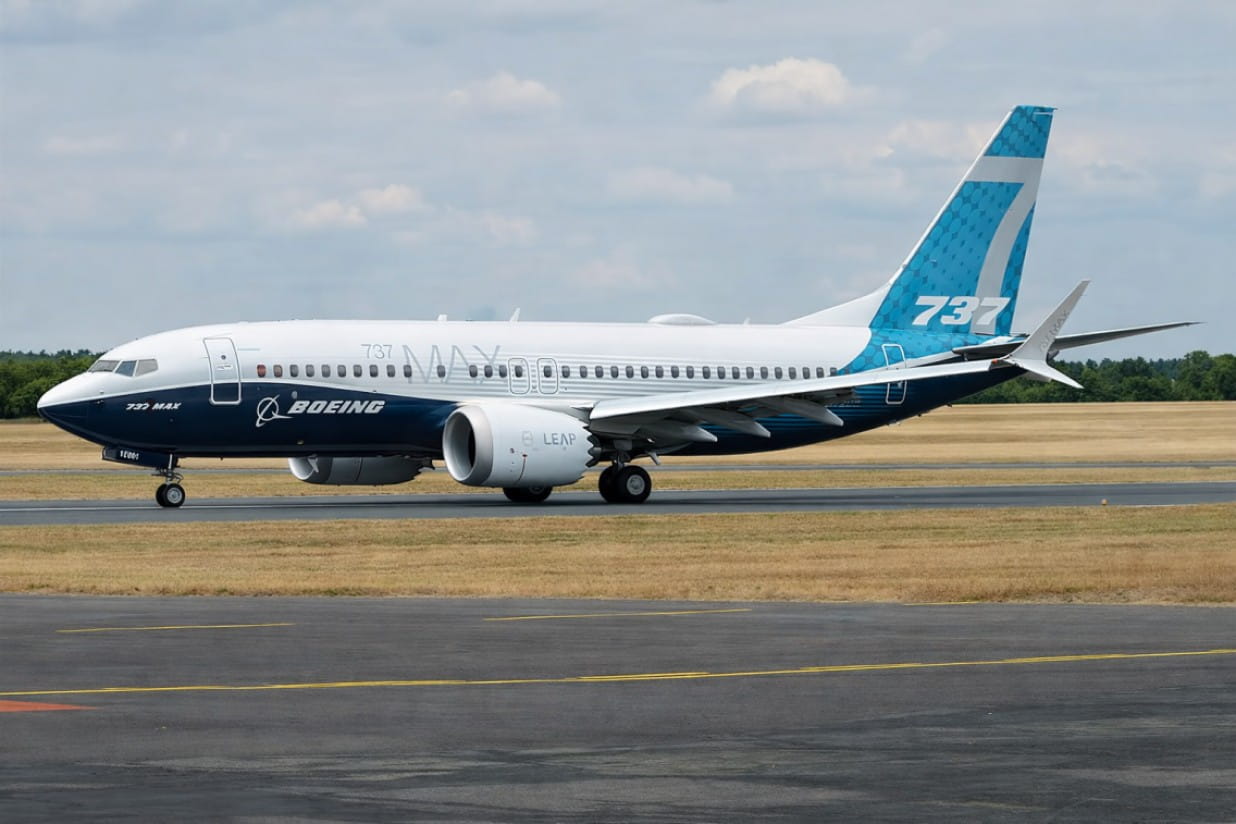
In response to Airbus launching the A320neo, Boeing introduced the 737 MAX program in 2011.
The MAX incorporated:
- new CFM LEAP-1B engines
- improved winglets
- aerodynamic refinements
- updated avionics
These improvements delivered fuel savings of approximately 14–20 percent compared with earlier 737 models.
Variants include:
- 737 MAX 7
- 737 MAX 8
- 737 MAX 9
- 737 MAX 10
However, the program faced a major crisis following two accidents in 2018 and 2019 involving the 737 MAX 8. Investigations revealed issues with the aircraft’s flight control system known as MCAS (Maneuvering Characteristics Augmentation System).
The aircraft was grounded worldwide while Boeing redesigned the system and updated pilot training procedures.
After extensive review, the aircraft returned to service in late 2020 and continues to operate globally.
Production Milestones
The Boeing 737 has achieved numerous production milestones.
Notable achievements include:
- more than 10,000 aircraft delivered
- production spanning over five decades
- operation by hundreds of airlines worldwide
In fact, at any given moment thousands of 737 aircraft are airborne somewhere around the world.
This extraordinary longevity makes the aircraft the most successful commercial jetliner ever built.
Why the Boeing 737 Became So Successful
Several factors contributed to the aircraft’s remarkable success.
Simplicity and reliability
The 737 was designed to be straightforward to operate and maintain.
Operational flexibility
The aircraft can operate from smaller airports while still carrying significant passenger loads.
Continuous upgrades
Rather than replacing the aircraft entirely, Boeing continuously improved the design through multiple generations.
Global airline demand
Short-haul travel represents a large portion of global air traffic, making aircraft like the 737 essential to airline operations.
The Future of the Boeing 737
Despite being introduced more than fifty years ago, the Boeing 737 continues to play a central role in the aviation industry.
The 737 MAX is expected to remain in production for many years, while airlines continue to rely on the aircraft for both domestic and regional international routes.
However, industry analysts expect Boeing will eventually develop a completely new narrow-body aircraft to replace the 737 in the coming decades.
Until then, the 737 will remain one of the most familiar sights in the skies.
A True Aviation Icon
From its first flight in 1967 to its modern MAX variants, the Boeing 737 has carried generations of passengers and transformed the economics of short-haul air travel.
More than any other aircraft, the 737 represents the backbone of global airline transportation.
And with thousands still flying every day, the story of the Boeing 737 is far from over.