Why Pilots Called the 757 the “Sports Car of Airliners”
Few aircraft illustrate the evolution of jet transport better than the Boeing 727 and the Boeing 757.
Both aircraft were designed to serve short- and medium-haul airline routes, both became highly successful, and both were renowned for their ability to operate from relatively short runways. Yet they represent two very different generations of engineering.
The Boeing 727 defined domestic airline travel during the 1960s and 1970s, while the Boeing 757, introduced nearly twenty years later, became one of the most powerful and capable narrow-body airliners ever built.
The Boeing 727
The Jet That Opened Secondary Airports
When Boeing began developing the 727 in the early 1960s, airlines faced a major operational challenge.
Large jetliners like the Boeing 707 required long runways and large airports. Many regional cities lacked the infrastructure to handle them.
Airlines wanted a jet that could:
- operate from shorter runways
- serve secondary airports
- still carry a commercially viable passenger load
Boeing’s solution was the 727, a medium-range jet designed specifically for these conditions.
The aircraft first flew in 1963 and entered airline service in 1964.
Why the 727 Had Three Engines
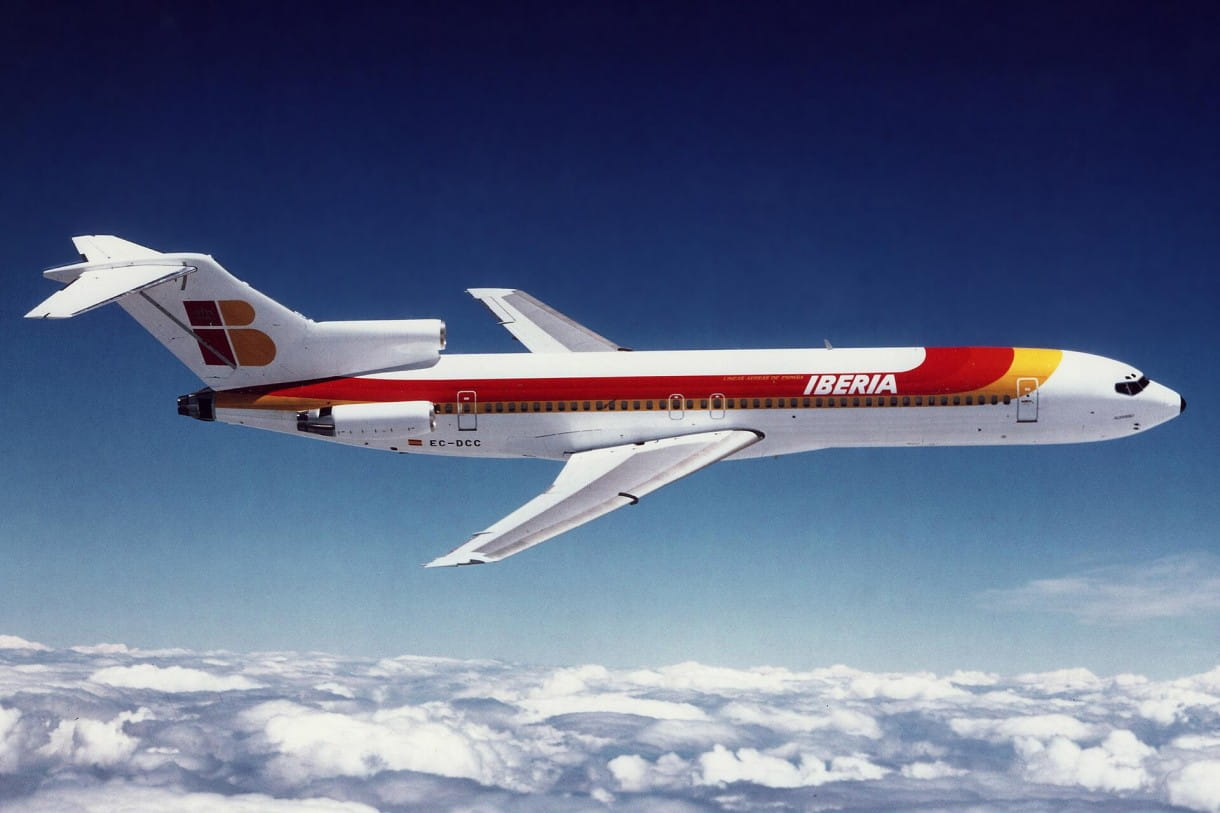
One of the most distinctive features of the 727 was its three-engine layout.
At the time, aviation safety regulations limited twin-engine aircraft from flying long distances away from diversion airports. This meant airlines needed either three or four engines for many routes.
Boeing therefore designed the aircraft with three Pratt & Whitney JT8D engines, mounted at the rear of the fuselage.
This configuration offered several advantages:
- improved performance from short runways
- cleaner wing aerodynamics without engine pods
- reduced foreign object damage from runway debris
The aircraft also featured a distinctive T-tail, allowing the engines to be mounted on the rear fuselage.
The 727’s Exceptional Short-Field Performance
Perhaps the 727’s greatest strength was its high-lift wing system.
The aircraft used an advanced configuration that included:
- leading-edge slats
- Krueger flaps
- triple-slotted trailing edge flaps
This gave the aircraft extremely good low-speed performance, allowing it to land and take off from shorter runways than most jetliners of the era.
As a result, the 727 became the backbone of domestic airline networks across the United States and around the world.
A Three-Crew Cockpit
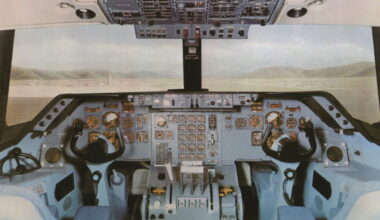
Like most jetliners of the 1960s, the 727 required a three-person cockpit crew:
- Captain
- First Officer
- Flight Engineer
The flight engineer monitored:
- engines
- electrical systems
- fuel systems
- pressurization
While effective, this configuration would eventually become economically inefficient as new aircraft introduced more automated systems.
The Boeing 757
A New Generation of Narrow-Body Aircraft
By the late 1970s, airlines were looking for a modern replacement for aging aircraft such as the 727 and early 707 models.
Boeing responded with the Boeing 757, a technologically advanced narrow-body airliner designed to combine high performance, long range, and improved fuel efficiency.
The aircraft first flew in 1982 and entered service with Eastern Air Lines in 1983.
A Major Leap in Technology
The Boeing 757 introduced several important innovations.
Two-Pilot Glass Cockpit
The aircraft used a modern EFIS glass cockpit, derived from systems developed for the Boeing 767.
This eliminated the need for a flight engineer, reducing the cockpit crew to two pilots.
Advanced Engines
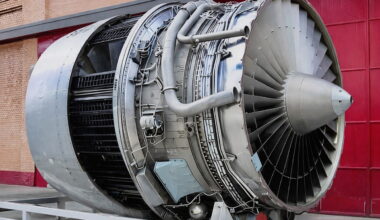
The aircraft used powerful high-bypass turbofan engines, including:
- Rolls-Royce RB211
- Pratt & Whitney PW2000
These engines were dramatically more efficient than the low-bypass engines used on the 727.
Digital Avionics
The 757 incorporated advanced digital systems, including:
- Flight Management Systems (FMS)
- Electronic Flight Instrument Systems (EFIS)
- modern autopilot and navigation systems
The Aircraft Pilots Loved
The Boeing 757 quickly earned a reputation among pilots as one of the best-handling airliners ever built.
Its thrust-to-weight ratio was exceptionally high for a narrow-body aircraft.
With powerful engines and a relatively light airframe, the aircraft delivered outstanding performance during takeoff and climb.
Pilots often remarked that the aircraft accelerated rapidly and climbed strongly even when heavily loaded.
This combination of performance and responsiveness led many pilots to nickname the aircraft:
“The Sports Car of Airliners.”
Performance Comparison
| Feature | Boeing 727 | Boeing 757 |
|---|---|---|
| First flight | 1963 | 1982 |
| Engines | 3 | 2 |
| Flight crew | 3 | 2 |
| Passengers | 120–189 | 180–239 |
| Range | ~2,500 nm | ~3,900 nm |
| Cruise speed | Mach 0.84 | Mach 0.80 |
| Avionics | Analog | Glass cockpit |
Why the 757 Replaced the 727
Several key factors led airlines to replace the 727 with the 757.
Fuel Efficiency
High-bypass engines dramatically reduced fuel consumption.
Reduced Crew Costs
The elimination of the flight engineer reduced operating expenses.
Environmental Regulations
The 757 produced:
- lower noise
- lower emissions
compared with the 727’s older JT8D engines.
Greater Range
The 757 could fly much longer routes, including transcontinental and transatlantic flights.
A Remarkably Versatile Aircraft
The Boeing 757 proved capable of operating in roles far beyond what Boeing originally intended.
The aircraft could:
- serve high-density domestic routes
- fly transatlantic routes from smaller airports
- operate from shorter runways
Airlines such as Icelandair, United Airlines, and Delta Air Lines used the aircraft extensively for long-thin routes connecting smaller cities across the Atlantic.
Few aircraft have matched this level of operational flexibility.
The End of Production
Production of the Boeing 727 ended in 1984 after 1,832 aircraft had been built.
At the time it was the best-selling jet airliner in the world.
The Boeing 757 remained in production until 2004, with 1,050 aircraft delivered.
Although production ended, many 757s remain in service today, particularly as:
- cargo aircraft
- transcontinental passenger aircraft
Two Aircraft That Defined Their Eras
The Boeing 727 helped bring jet travel to smaller cities and regional airports during the expansion of the airline industry in the 1960s and 1970s.
The Boeing 757 represented the next generation of efficiency, performance, and digital flight deck technology.
Together they illustrate the remarkable evolution of commercial aviation from the analog, three-crew cockpit era to the high-performance, computer-assisted airliners of the modern age.