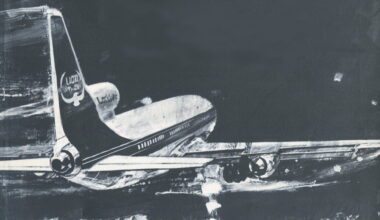
Among the wide-body airliners of the 1970s, the Lockheed L-1011 TriStar developed a reputation that few aircraft have matched. While passengers appreciated its quiet cabin and smooth ride, pilots often admired something deeper: the aircraft’s remarkable handling, intelligent automation, and thoughtful engineering.
For many airline crews who flew it, the TriStar was simply one of the best-designed airliners ever built.
A Cockpit Designed for Pilots
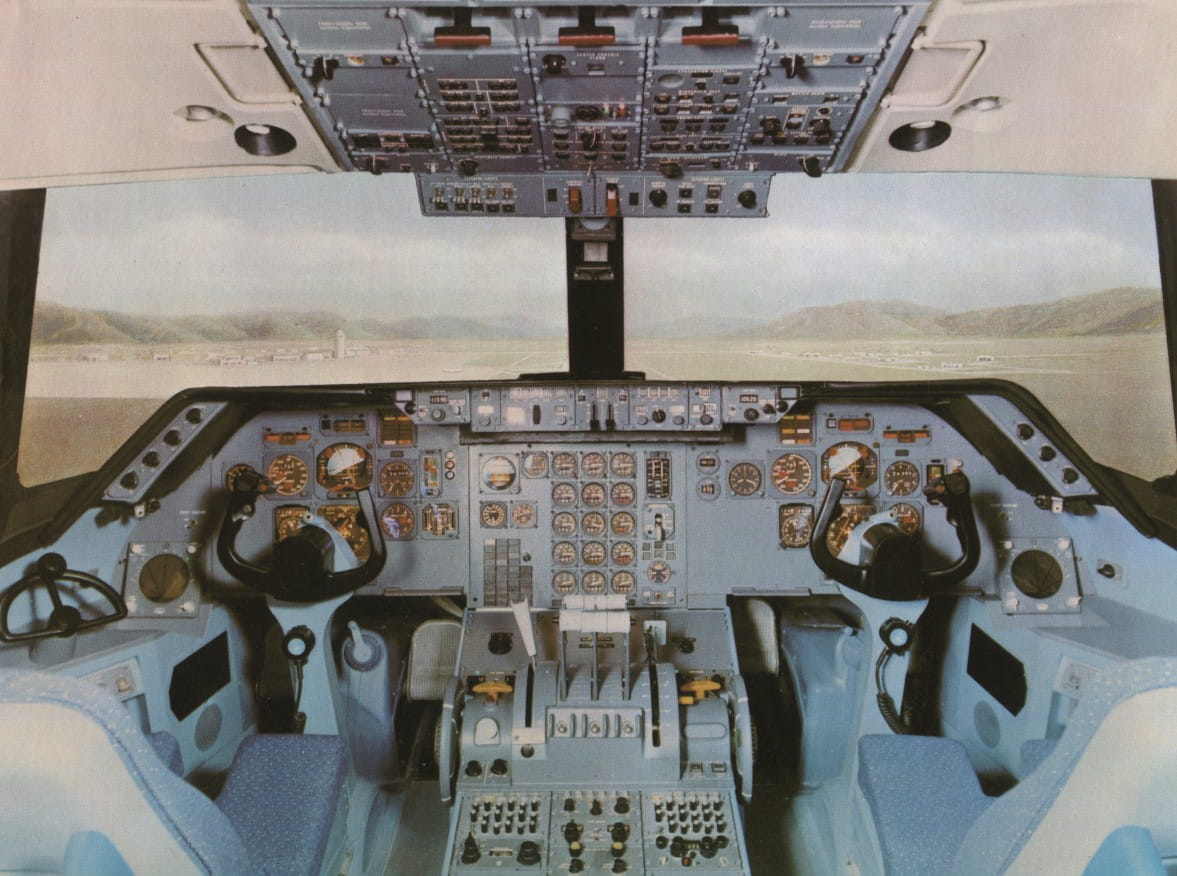
One of the reasons pilots loved the L-1011 was its highly ergonomic cockpit design.
Lockheed engineers worked closely with airline pilots during development, ensuring the flight deck layout was logical and easy to use. Controls were arranged so that critical systems could be accessed quickly without unnecessary workload.
The result was a cockpit that felt intuitive even when operating a large wide-body jet.
Pilots transitioning from earlier aircraft often remarked that the TriStar was surprisingly easy to learn and operate.
The Most Advanced Autopilot of Its Time
The TriStar introduced one of the most sophisticated autoflight systems ever installed in a commercial airliner at the time.
The system integrated several major functions:
- Autopilot
- Flight director
- Autothrottle
- Automatic landing capability
Together these systems allowed the aircraft to perform Category III autoland operations, enabling safe landings in extremely poor visibility.
For pilots flying into busy airports with challenging weather, this technology represented a major leap forward in safety.
Unlike some early automation systems, the TriStar’s autopilot was smooth and predictable. It could manage complex phases of flight while still allowing the pilot to override controls easily when needed.
Exceptionally Stable Handling
Despite its size, the L-1011 was known for its excellent stability and smooth handling characteristics.
Pilots frequently described the aircraft as:
- well balanced
- responsive
- forgiving during manual flight
The aircraft’s aerodynamic design allowed it to remain stable even in turbulent conditions.
This stability made the TriStar particularly comfortable during approach and landing, where precise control is essential.
Many captains commented that the aircraft “flew like a much smaller jet.”
A Quiet and Smooth Ride
The L-1011 was powered by Rolls-Royce RB211 turbofan engines, which were among the quietest engines in commercial aviation at the time.
Because of this, the aircraft earned the nickname “Whisperliner.”
The engines also produced relatively low vibration, contributing to an unusually smooth ride.
Pilots noticed the difference immediately. Compared with earlier jetliners, the TriStar felt calmer and more refined in the air.
This combination of quiet engines and smooth aerodynamics made the aircraft popular with both pilots and passengers.
Intelligent Automation That Helped Pilots
One of the defining characteristics of the L-1011 was how its automation assisted rather than replaced the pilot.
Lockheed engineers designed the systems to support pilot decision-making rather than take complete control of the aircraft.
For example:
- pilots could override the autopilot easily
- automation reduced workload during complex operations
- critical warnings helped prevent unsafe conditions
This philosophy made the aircraft feel cooperative rather than intrusive.
Many pilots later said the TriStar’s systems were ahead of their time.
Strong Safety Engineering
The TriStar also incorporated a number of advanced safety features.
These included:
- redundant flight control computers
- advanced monitoring systems
- improved structural design
- highly reliable hydraulic systems
Such engineering contributed to the aircraft’s strong safety record throughout its operational life.
For pilots, confidence in an aircraft’s engineering plays a major role in how enjoyable it is to fly.
The L-1011 earned that confidence.
Designed for Long-Distance Comfort
The TriStar was designed to operate long routes while maintaining excellent performance and efficiency.
Variants such as the L-1011-500 offered extended range, allowing airlines to fly transatlantic and international routes comfortably.
For pilots, long-haul operations require aircraft that remain stable and predictable over many hours.
The TriStar excelled in this role, maintaining smooth flight characteristics even during extended missions.
A Pilot’s Aircraft
Although the TriStar faced strong competition from the McDonnell Douglas DC-10, many pilots preferred the Lockheed aircraft.
The DC-10 sold in larger numbers, but the TriStar often won the loyalty of the crews who flew it.
Among airline pilots, the aircraft developed a reputation as a “pilot’s airplane.”
That reputation came from the combination of:
- smooth handling
- thoughtful cockpit design
- advanced automation
- excellent reliability
Together these qualities made the aircraft both capable and enjoyable to operate.
The End of an Era
Production of the Lockheed L-1011 ended in 1984, after approximately 250 aircraft had been built.
Lockheed withdrew from the commercial airliner market soon afterward, focusing on military aircraft and defense systems.
Despite its relatively short production run, the TriStar left a lasting impression on the aviation industry.
The TriStar’s Lasting Legacy
Today the Lockheed L-1011 TriStar is remembered as one of the most technically sophisticated airliners of the 1970s.
While newer aircraft now dominate the skies, many pilots who flew the TriStar still regard it as one of the finest wide-body aircraft ever designed.
Its combination of intelligent automation, superb handling, and quiet performance ensured that the TriStar earned a special place in aviation history.
For the pilots who flew it, the L-1011 was not just another airliner it was an aircraft that truly felt designed for the people in the cockpit.